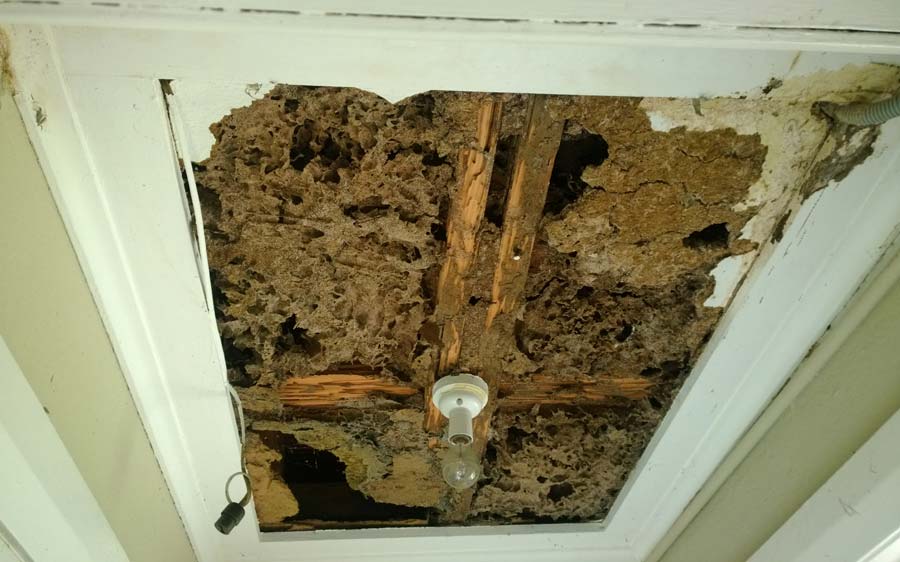
When following a house buying checklist, are you considering what could be lurking behind those freshly painted plasterboard ceilings and walls? While buyers often focus on location, floor space, and aesthetic appeal, they can overlook critical checks during the excitement of house hunting. Among these essential scrutinies, specialist termite inspection stands as a fundamental component of due diligence that could mean the difference between a sound investment and a costly nightmare.
Termites cause billions of dollars in property damage annually worldwide, with most homeowner’s insurance policies excluding coverage for termite-related structural damage. This reality makes pre-purchase termite inspection not just advisable but essential for protecting your investment. Understanding the scope, process, and implications of termite inspection can save prospective homeowners from unexpected expenses that often reach tens of thousands of dollars.
Understanding termite damage and Its financial impact
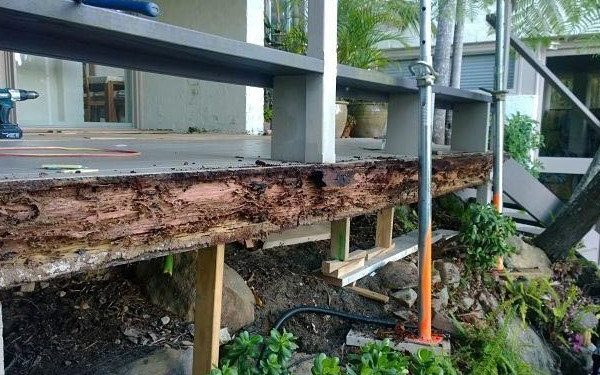
Termites operate as silent destroyers, consuming wood. These pests work methodically from the inside out, often leaving minimal external evidence of their presence until significant structural damage has occurred.
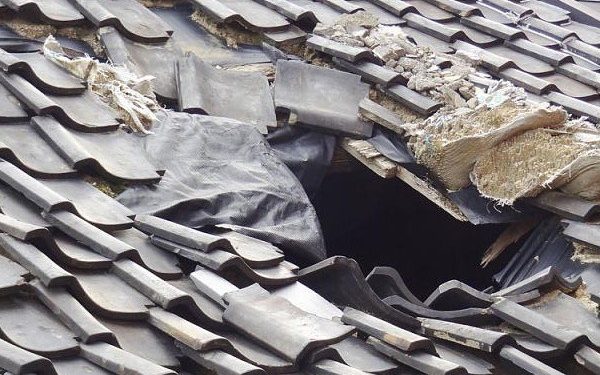
The financial impact of termite damage extends beyond immediate repair costs. It can compromise the integrity of load-bearing elements, necessitating extensive reconstruction that may involve replacing floors, reconstructing timber stud walls, and repairing roof timbers. In severe cases, entire sections of a home may require rebuilding,
Additionally, termite damage can significantly impact property values. Homes with documented termite damage or active infestations typically sell below market value, even after repairs are completed. This depreciation reflects buyer concerns about ongoing structural integrity and potential hidden damage that may not be immediately apparent.
Why termite inspection should be a priority when buying a house
A termite inspection should rank among the highest priorities during the home buying process for several compelling reasons. First, termite damage represents a hidden liability that building inspections may not adequately address. While building inspectors examine visible structural elements, specialist termite inspectors are certified and equipped with knowledge and experience to identify insidious signs of live termites that the inexperienced eye might miss.
The timing of termite inspection creates significant leverage during purchase negotiations. Discovering termite issues before committing to buy allows buyers to negotiate repair costs, treatment expenses, or a price reduction with the seller. This negotiating power disappears once the transaction closes, leaving new homeowners solely responsible for addressing any termite problems.
Furthermore, many lending institutions require termite inspections as part of their approval process, particularly for properties in high-risk geographic areas. Even when not required by lenders, termite inspection provides essential documentation for insurance purposes and future resale considerations.
The specialist termite inspection process when buying a house
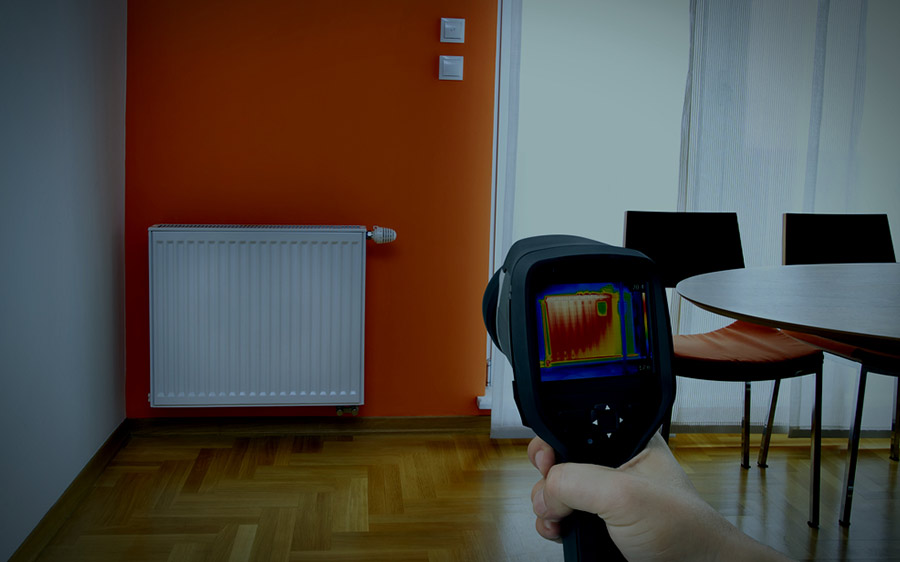
Specialist termite inspections are systematic procedures used to identify termite infestations, assess the extent of damage, and predict future termite activity. Specialist termite inspectors examine all accessible areas of a property, including roof space and underfloor areas. The exterior inspection involves checking the foundation, moisture accumulation, and landscape features that could attract termites. The interior inspection focuses on areas where termites typically gain access or cause damage, utilising specialised tools such as moisture meters, thermal imaging cameras and probing instruments. Documentation is crucial, with certified inspectors providing detailed reports that identify findings, recommend treatment or preventive measures, and serve as valuable documentation for insurance claims, legal proceedings, and future property transactions.
Interpreting house buying termite inspection results
Termite inspection results typically fall into several categories requiring different responses. Properties with active infestations require immediate professional treatment to eliminate existing termite colonies and prevent further damage. Treatment options include liquid termiticides, bait systems, or a combination approach, depending on the termite species and the severity of the infestation.
Properties with termite history require careful evaluation of existing damage and implementation of preventive measures. Buyers should obtain detailed estimates for necessary repairs and consider long-term monitoring programs to detect future termite activity.
Properties with conditions conducive to termite activity but no evidence of termite activity may require preventive treatment or environmental modifications. Common recommendations include improving drainage, eliminating wood-to-soil contact, reducing moisture levels, and implementing a regular termite monitoring program.
Long term protection and maintenance strategies
Effective termite management extends beyond initial inspection and treatment to encompass ongoing monitoring and prevention strategies. A regular termite inspection helps identify termite activity in its early stages of infestation, preventing significant damage.
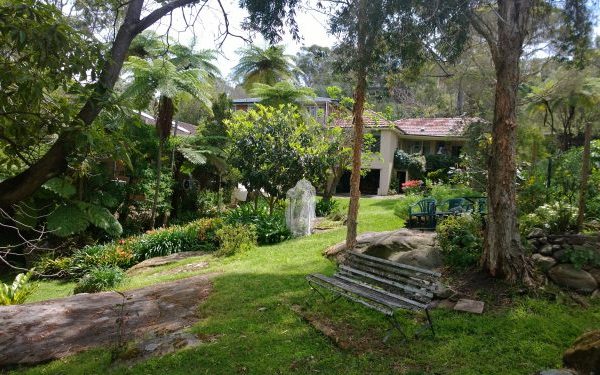
Environmental conditions play a crucial role in discouraging termites. Maintaining proper drainage, eliminating moisture, removing wood debris from around foundations, and ensuring adequate ventilation under the floor significantly reduces the chances of attracting termites.
Professional programs offer additional protection through the strategic installation of termite monitoring and baiting systems. These programs typically include regular inspections and immediate response to detected termite activity.
To wrap it up
A termite inspection represents an essential component of responsible home buying that can save tens of thousands of dollars in unexpected repair costs. The relatively modest investment in professional inspection provides invaluable protection against one of the most destructive and expensive problems facing homeowners. By prioritising specialist termite inspection during the purchasing process, buyers gain essential information to make informed decisions, negotiate favourable terms, and protect their investment for years to come.
The potential financial consequences of overlooking this crucial step far outweigh the minimal cost of a specialist termite inspection, making it an essential safeguard for anyone serious about protecting their real estate investment.